Why Video Quality, Chat, and Delay Differ Across Platforms During Simultaneous Streaming
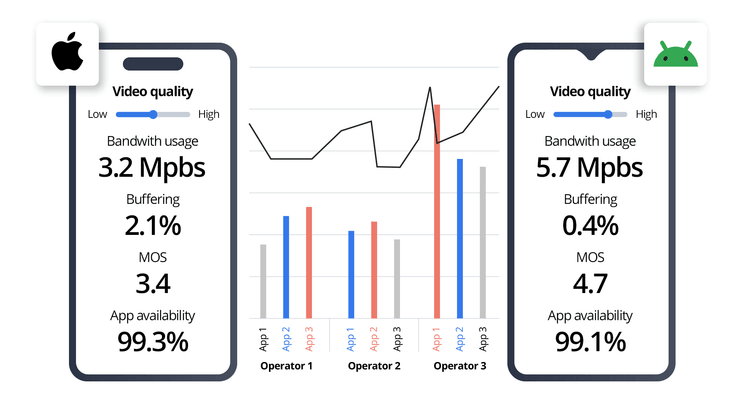
Have you ever watched a major live event, an esports tournament, or a creator's stream simultaneously across two different platforms, only to notice jarring contrasts? One service might deliver a razor-sharp, pristine picture, another might feature a lightning-fast chat room, while a third lags behind by a frustrating thirty seconds.
These discrepancies are not random glitches, nor are they solely dependent on your personal internet connection. They are the result of deliberate architectural choices made by each platform. Every streaming service must constantly balance the "Iron Triangle of Live Streaming"—video quality, real-time interactivity (low latency), and bandwidth costs. Understanding these trade-offs helps you choose the right platform for your specific viewing goals.
Bitrate, Resolution, and Encoding: The Visual Foundation
The most direct technical driver of picture clarity is the bitrate a platform allocates to a video feed. Bitrate determines the precise amount of digital data processed per second of video playback. A higher bitrate accommodates greater visual detail and significantly fewer compression artifacts, especially during fast camera movements or scenes filled with complex textures.
Platforms like YouTube generally permit substantially higher bitrates for both broadcasters and viewers, resulting in noticeably crisper images, particularly at high resolutions like 1080p or 4K. By comparison, Twitch has historically enforced lower maximum bitrate caps. This strategy helps the company manage massive global bandwidth infrastructure costs and ensures stream compatibility for viewers on slower connections. Consequently, an identical stream broadcasted at the same resolution will almost always look cleaner and more detailed on YouTube than on Twitch.
Beyond bitrate, the encoding codecs utilized by the platform play a massive role. Modern compression codecs, such as AV1, can deliver identical visual fidelity at significantly lower data rates. However, hardware support varies across platforms and end-user devices. When servers re-encode (transcode) a video stream to offer multiple quality tiers, processing pipelines can introduce additional compression flaws, ultimately dictating the final image quality on your screen.
Streaming Protocols: The Eternal Battle Between Latency and Stability
The specific protocol chosen to deliver live video packets is the primary reason behind severe delay discrepancies. Traditional delivery protocols, such as HLS (HTTP Live Streaming) and DASH, break down video feeds into small segments—typically a few seconds long. The viewer's media player downloads these segments, builds a healthy buffer to guarantee smooth playback without stuttering, and then renders the video.
This mechanism introduces an inherent broadcast delay ranging from 10 to 30 seconds or more. While slow, this approach is remarkably safe and reliable, granting the platform ample time to optimize video quality and gracefully handle network fluctuations. Platforms prioritizing visual fidelity, such as YouTube in standard operating modes, rely heavily on this method.
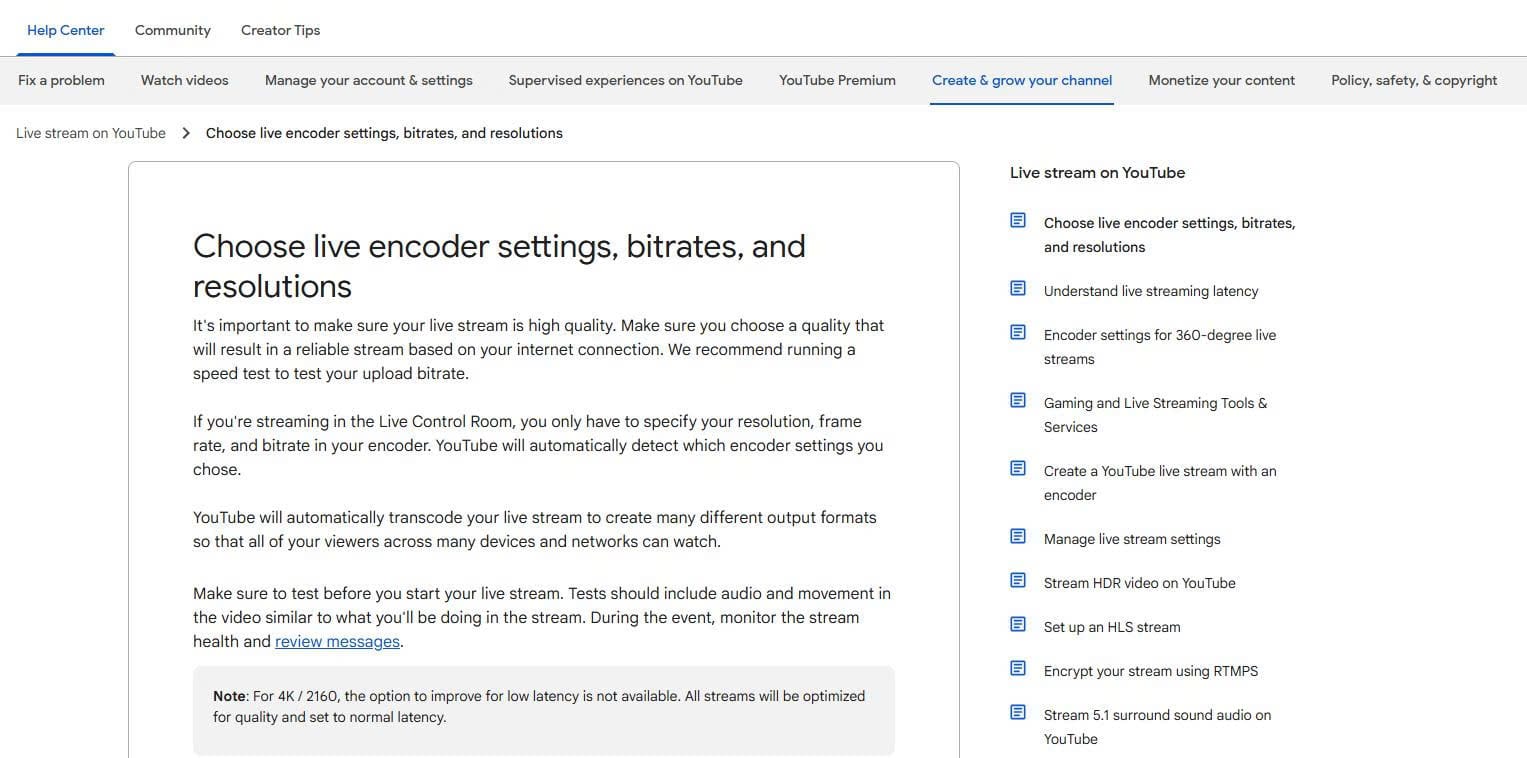
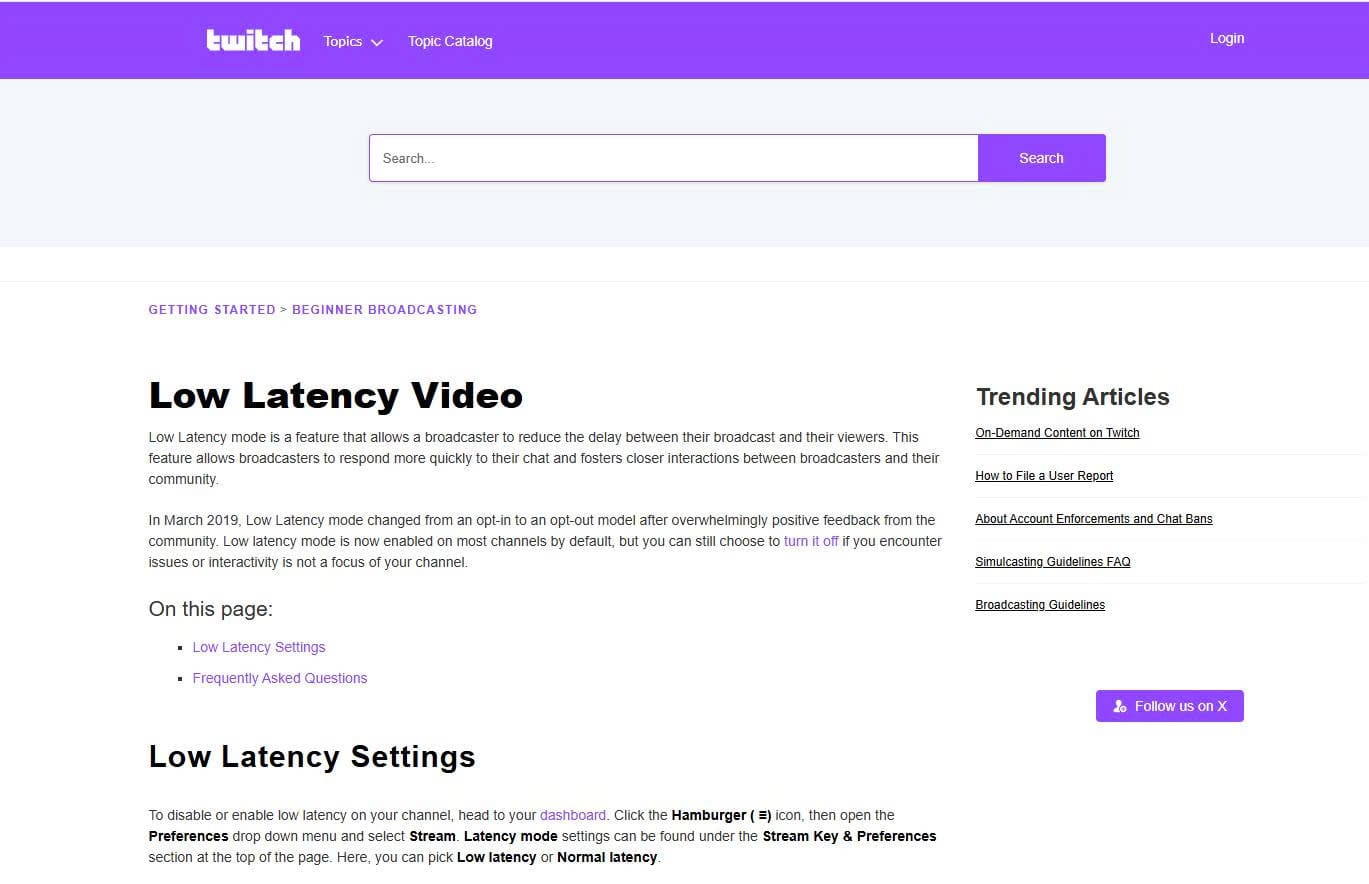
Conversely, low-latency protocols like WebRTC or chunked CMAF reduce segment sizes and minimize buffering footprints. Platforms utilizing Twitch's Low Latency mode or specialized interactive streaming tools leverage these protocols to slice broadcast delays down to under five seconds.
The engineering compromise, however, is video stability. If your local internet connection fluctuates, a low-latency stream is far more susceptible to pixelation, dropping frames, or freezing because there is no large buffer pool to absorb the variance. The platform is forced to continuously choose between keeping the video razor-sharp or keeping the broadcast tied to real-time action.
Chat Architecture and Server Infrastructure
The interactivity and pacing of a live chat room vary dramatically depending on how an infrastructure processes and distributes text messages.
Twitch’s chat framework, historically built on IRC-based technology, is engineered explicitly for hyper-responsive, real-time engagement. Text packets are pushed to viewers almost instantaneously, optimized specifically for high-frequency, short-form messages, fast-moving emotes, and instantaneous channel point redemptions.
In contrast, YouTube’s live chat infrastructure routes messages through a different server topology, which can occasionally feel marginally slower during high-traffic mega-streams. YouTube also relies heavily on aggressive automated moderation filters, which can introduce minor delays before a message becomes visible to the public.
Furthermore, psychological immersion is directly tied to synchronization. On a platform burdened with a 30-second video delay, the chat room feels entirely disconnected from the broadcast because viewers are reacting to events that happened half a minute ago. On a low-latency platform, video and chat are tightly bound together, fostering a cohesive, communal viewing experience.
Platform Priorities and How to Choose Your Viewing Experience
Every streaming network consciously decides what core metrics to prioritize based on its target demographic:
- YouTube: Prioritizes ultra-high video quality, high bitrates, and rock-solid playback reliability over low latency. It is exceptionally well-suited for cinematic gameplay, high-production value events, and music concerts where visual clarity reigns supreme.
- Twitch: Prioritizes real-time interactivity and low latency above all else, making it the premier destination for competitive esports and creator-audience engagement where immediate chat feedback is vital.
Frequently Asked Questions About Streaming Disparities
Why does the same stream look pixelated on Twitch but clear on YouTube?
This is primarily a result of platform bitrate limits. Twitch enforces conservative maximum bitrates to control infrastructure costs and accommodate diverse global viewers, whereas YouTube permits much higher data allocations per second, resulting in sharper visuals with fewer compression artifacts.
Is the delay on YouTube always longer than on Twitch, or can it be reduced?
YouTube's default architecture utilizes substantial buffering to guarantee stable, high-definition playback, creating a 15 to 30-second delay. While YouTube offers a "Low Latency" setting for creators, its infrastructure is not optimized to match Twitch's native sub-five-second latency capabilities.
Why does chat on regional platforms feel different from Twitch?
Regional platforms often integrate chat systems deeply with localized monetization structures, prioritizing paid messages or special donation effects over standard free text, creating a different pacing rhythm compared to Twitch's high-frequency IRC-based chat.